
When people talk about sex work, too often the conversation starts with shame. It’s not about morality-it’s about safety. Every time a law targets sex workers instead of predators, every time a client is afraid to report violence because the worker might get arrested, everyone loses. The idea that criminalizing sex work protects people is a myth. In reality, it pushes people into the shadows, makes them easier to exploit, and stops them from accessing healthcare, housing, or legal help. The harm isn’t caused by the work itself-it’s caused by the laws and the stigma that treat sex workers like criminals instead of human beings.
Some online platforms still push misleading ads like twink escort dubai, promising quick money and anonymity. But behind those glossy profiles are real people navigating a system that doesn’t protect them. Whether they’re in Dubai, Sydney, or Nairobi, the same patterns repeat: police raids, eviction threats, bank account freezes, and clients who refuse to pay because the worker has no legal recourse. These aren’t isolated incidents. They’re the direct result of laws designed to erase sex work, not regulate it.
Why Criminalization Doesn’t Work
Countries that criminalize sex work don’t make it disappear-they just make it more dangerous. In 2023, a study by the Global Network of Sex Work Projects found that sex workers in criminalized environments were 30 times more likely to experience violence than those in decriminalized ones. That’s not a coincidence. When selling sex is illegal, workers can’t screen clients safely. They can’t carry condoms without them being used as evidence. They can’t call the police when someone threatens them. And when they’re deported, jailed, or evicted for their work, no one steps in to help.
Take Canada’s 2014 law, which made buying sex illegal but kept selling it a crime. The result? Workers had to rush transactions, meet clients in unsafe places, and avoid using phones or apps to communicate. The law claimed to protect women-but it made their lives riskier. In contrast, New Zealand fully decriminalized sex work in 2003. Since then, violence against sex workers has dropped by 60%, and over 90% of workers report feeling safer and more respected by police.
The Stigma That Kills
Stigma isn’t just hurtful-it’s deadly. When society labels sex workers as ‘dirty,’ ‘degraded,’ or ‘choiceless,’ it becomes easier to ignore their suffering. Health workers refuse to treat them. Landlords kick them out. Families disown them. Employers won’t hire them-even for jobs completely unrelated to sex work. That’s why so many sex workers die alone, unnoticed, or written off as ‘just another overdose’ or ‘another missing person.’
It’s not just about judgment. It’s about systemic erasure. When a sex worker is murdered, media reports often focus on their past, their appearance, or their ‘lifestyle’ instead of the killer. When a trans woman of color who does sex work is found dead, her death rarely makes national headlines-unless she’s the exception, the ‘good’ one, the one who ‘got out.’ That’s not justice. That’s dehumanization.
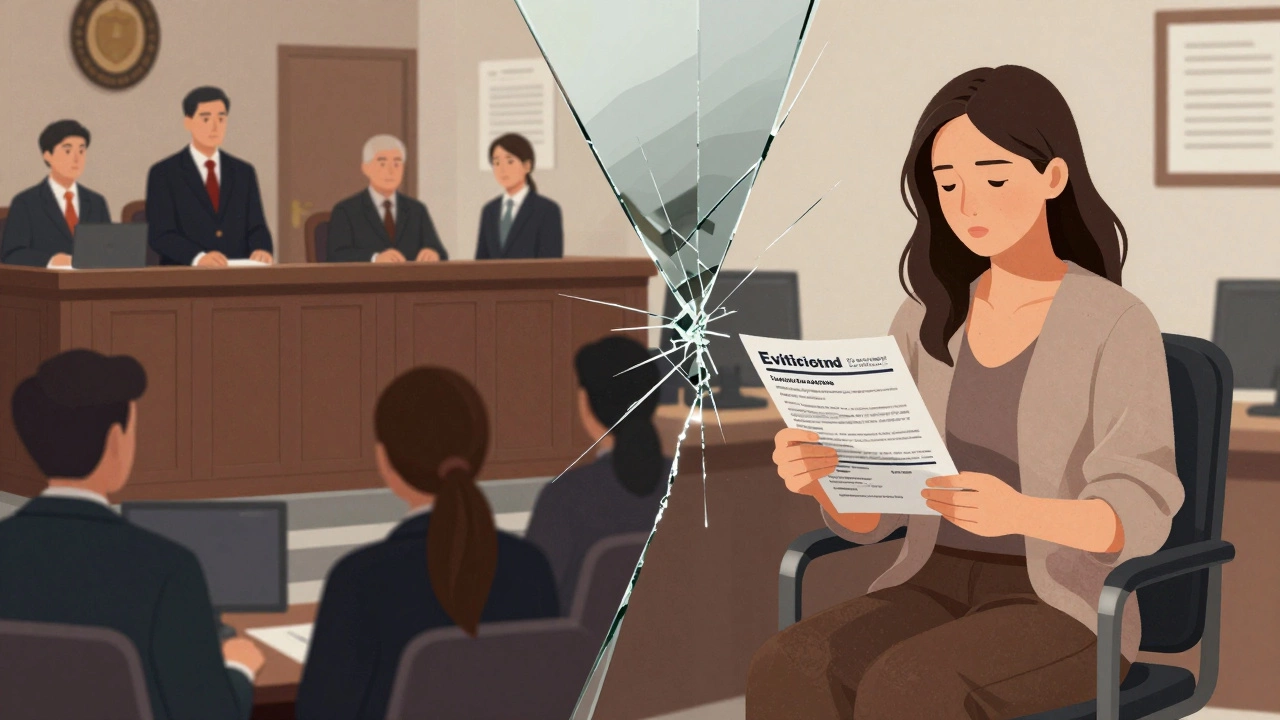
How Bad Laws Affect Everyone
People who don’t do sex work still pay the price. When sex workers are criminalized, public health suffers. HIV rates rise because workers can’t access clean needles or testing without fear. Overdose deaths climb because peer support networks are shut down by police raids. Children lose parents to prison or deportation. Communities lose trusted neighbors who were quietly helping others survive.
And let’s be clear: most sex workers aren’t trafficked. The vast majority enter the work voluntarily-often because they have no other options. Poverty, housing insecurity, immigration status, or lack of education push people into survival work. But when we treat all sex work as trafficking, we ignore the real problem: a broken economy and a lack of social safety nets. Criminalizing the response doesn’t fix the cause.
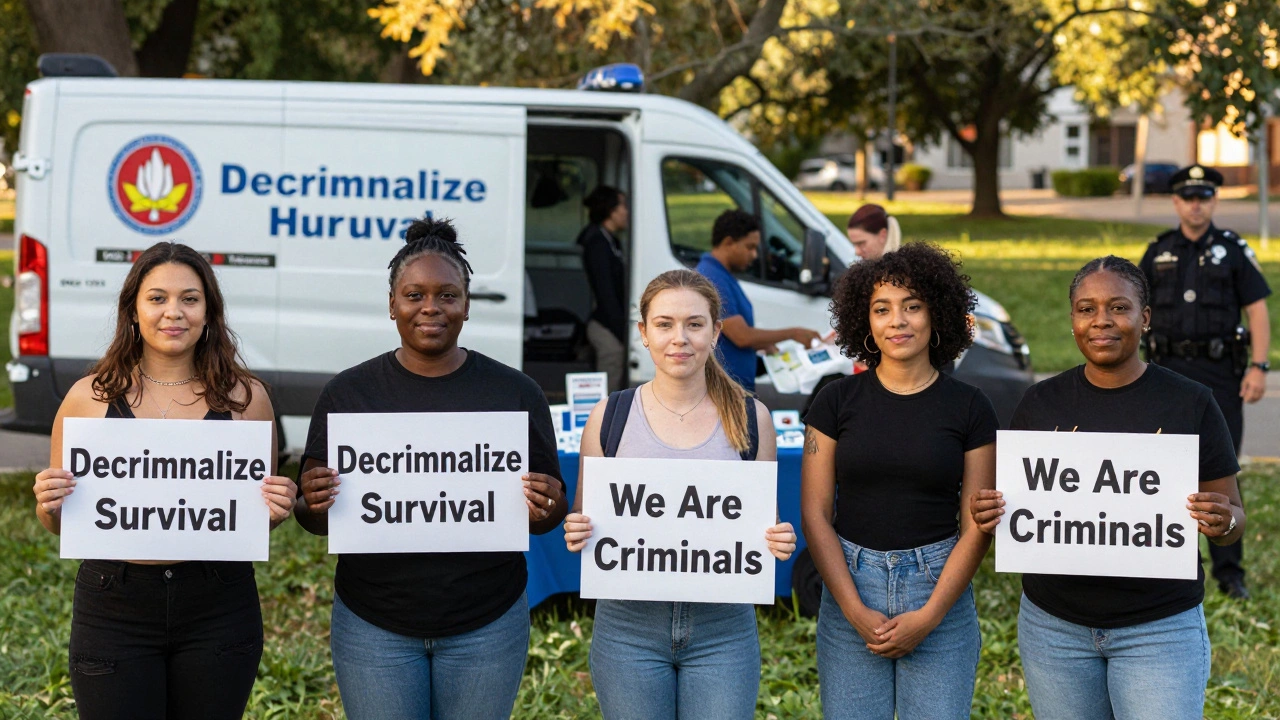
What Real Protection Looks Like
Decriminalization isn’t legalization. Legalization means the state controls who can work, where, and how-often creating new barriers. Decriminalization removes criminal penalties entirely, treating sex work like any other job. That means workers can form unions, report abuse, open bank accounts, and rent apartments without fear.
Portugal’s model shows how it works. In 2021, they passed a law that decriminalized all forms of sex work and invested in harm reduction programs. Workers got access to free healthcare, legal aid, and housing support. Police were trained to treat them as clients, not criminals. Within two years, reports of violence dropped by 50%, and more workers started using condoms consistently. No one had to hide. No one had to choose between safety and survival.
Support doesn’t mean sympathy. It means power. It means letting sex workers lead the conversation. Organizations like the Global Network of Sex Work Projects and the Red Umbrella Fund are run by current and former sex workers. They know what’s needed better than any politician or activist who’s never done the work.
Where to Start
You don’t need to become an activist overnight. Start by challenging the myths. If someone says, ‘They chose this life,’ ask: ‘What other choices did they have?’ If someone says, ‘It’s exploitation,’ ask: ‘Who’s exploiting them-the client, the law, or the system that left them no options?’
Support organizations that fight for decriminalization. Donate to sex worker-led groups. Share stories that center their voices, not your pity. And if you hear someone using slurs or making jokes about ‘dubai arab escort’ or ‘eurogirls dubai escort,’ speak up. These aren’t just buzzwords-they’re real people being reduced to stereotypes for clicks.
The goal isn’t to make sex work ‘respectable.’ The goal is to make it safe. And that’s something we can all agree on.